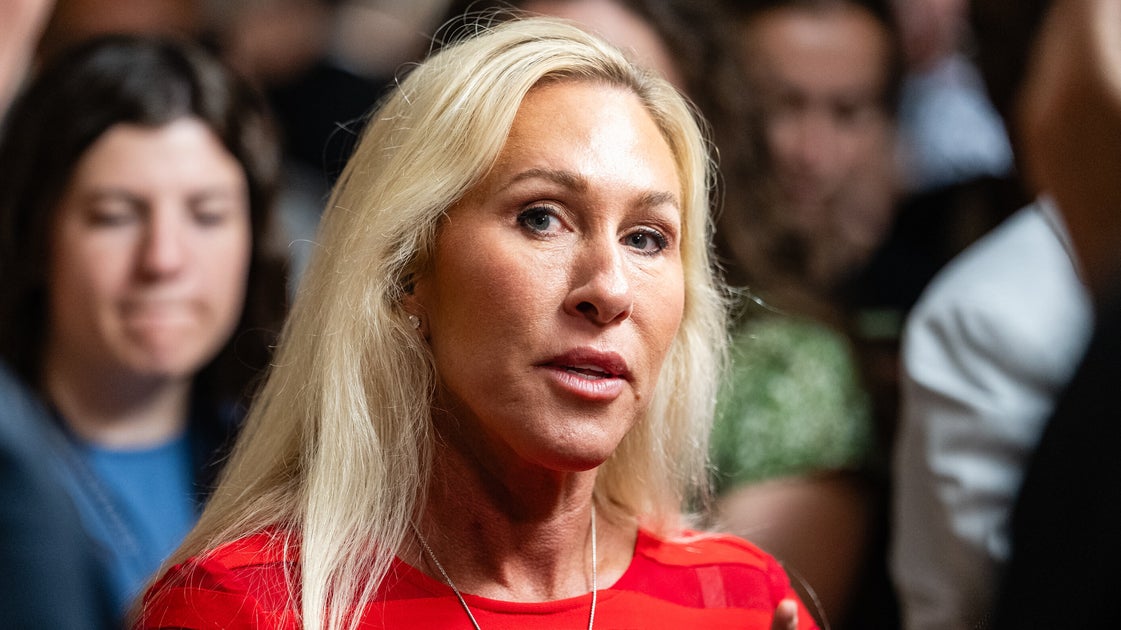
In a striking departure from her past stance as one of Donald Trump’s most vocal defenders, former Georgia Congresswoman Marjorie Taylor Greene has issued a sharp assessment of the Republican Party’s standing heading into the midterm elections. Speaking in a high-profile television interview, Greene argued that potential electoral setbacks for the GOP would not be a reflection of individual candidate quality, but rather a direct referendum on Trump himself and current party leadership.
Greene, who parted ways with the Republican Party earlier in the year following disputes over legislative priorities—including her push for the disclosure of sensitive government records—offered an unsparing critique of the party's current direction. She pointed to unfulfilled economic promises and foreign policy stances, asserting that working-class voters are feeling increasingly disconnected from political leaders who appear focused on personal wealth and elite events rather than everyday costs like healthcare, fuel, and inflation.
Accountability and Party Leadership
The critique extended beyond the former president to encompass House Speaker Mike Johnson and the broader Republican congressional majority. Greene argued that lawmakers have failed to advocate meaningfully for their constituents, choosing instead to align blindly with party leadership out of fear of political retaliation on social media.
According to Greene, this reluctance to challenge leadership or address constituent concerns represents a fundamental failure of representation. She suggested that a difficult election night for the GOP might serve as a necessary wake-up call, giving opposing lawmakers an opportunity to present alternative solutions to the public.
Public Reaction and Public Disillusionment
The sharp turn in rhetoric from a former staunch loyalist has drawn intense reaction across the political spectrum. Many observers view the sudden shift with skepticism, questioning the timing and underlying motivations of someone who previously spent years supporting the very policies and leadership she now condemns.
"Late performative defiance never erases years of active complicity," noted one observer, reflecting a widely shared frustration regarding political realignments that happen after leaving office.
Others expressed fatigue over the continuous media spotlight given to former officials seeking to reframe their political legacy. "Interesting coming from someone who was once one of Trump’s strongest defenders. If even former allies are criticizing the direction of the party, that says something," another reaction highlighted, capturing the broader political significance of the rupture.
Broader Implications for the Electoral Landscape
While critics remain doubtful about the sincerity of individual political transformations, the underlying tensions Greene raised highlight significant fractures within the Republican coalition. The debate over whether to double down on traditional party loyalty or address mounting voter distress over living costs remains a central dynamic in the midterm landscape.
Whether Greene’s comments signal a wider shift among conservative voters or remain an isolated falling-out between former allies, they underscore the volatile climate defining this election cycle. As voters head to the polls, the outcome will provide a clear measure of whether public sentiment aligns with party strategy or demands a fundamental shift in direction.

