When Cricket Matches Turn Into Pure Adrenaline: The Art of the Impossible Chase
There is something uniquely intoxicating about a cricket match that spirals entirely out of control, shifting from a predictable tactical exercise into a raw, unfiltered survival test. Personally, I think we underestimate how much psychological weight players carry when they walk out to chase a mammoth total under the crushing lights of a major final. When you are staring down a mountain of over two hundred runs, logic tells you the game is effectively over by the powerplay. Yet, every once in a while, a partnership comes along that completely rewrites the script, turning cold statistics into pure, chaotic theater.
The Psychology of a Collapsing Chase
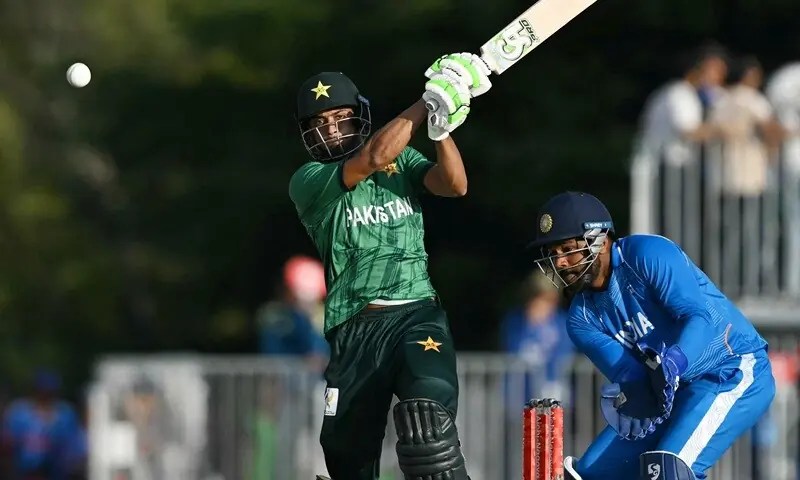
What makes this particularly fascinating is how quickly a team's fortunes can pivot from absolute despair to sudden, electric belief. Let us be honest: when Pakistan slumped to thirty-nine for three inside the first six overs of their Asian Games final against India, the match felt dead on arrival. From my perspective, matches like these expose the brutal mental bottleneck of elite sports. You have a top-order that panicked under the weight of a two-hundred-and-eleven-run target, playing loose shots that made a mockery of their batting credentials.
One thing that immediately stands out is how easily spectators write teams off when the scoreboard looks bleak. We see early wickets fall and assume the narrative is written in stone. But what many people don't realize is that pressure is a two-way street. The bowling side, comfortably ahead for ten overs, can accidentally slip into a state of complacency, and all it takes is a couple of clean hits to inject panic into the opposition dugout. It is a psychological domino effect where a single over can shatter a bowler's rhythm and breathe entirely new life into a dying cause.
The Art of Defying the Run Rate
If you take a step back and think about it, a required run rate climbing above fourteen runs per over is usually a death sentence in modern cricket. It forces batsmen into high-risk strokes that statistically favor the fielding side nine times out of ten. Yet, when Hasan Nawaz and Saim Ayub started orchestrating that counter-attack, they weren't looking at calculators or run-rate charts; they were simply living in the immediate present.
This raises a deeper question about how modern T20 and multi-format batsmen are evolving. We are no longer watching traditional accumulators who build an innings brick by brick; we are seeing athletic innovators who treat twenty-run overs like a routine commute. When Hasan took Ravi Bishnoi apart for twenty runs in a single over—launching consecutive sixes into the cow-corner stands—it wasn't just a display of power. It was a statement of utter fearlessness. A detail that I find especially interesting is how lethal spin bowling becomes a liability the moment a batsman decides to trust their reach. Spinners rely heavily on doubt, and the moment doubt is erased from a hitter's mind, those subtle variations turn into juicy slot balls.
The Broader Blueprint of Modern T20 Drama
What this really suggests is that cricket is increasingly becoming a game of momentum surges rather than steady gradients. India had constructed their imposing total of two hundred and eleven through calculated violence from Tilak Varma and Shivam Dube, capitalizing on late-over looseness. Yet, Pakistan’s subsequent response proved that no total is safe when the pitch flattens and bowlers miss their execution lines by even a fraction of an inch.
In my opinion, these kinds of innings do more than just keep a team alive in a tournament—they define careers and shape public perception. Whether Pakistan ultimately crossed the finish line or fell short of that imposing target matters less than the cultural memory of that explosive partnership. It reminds us why we stay up late watching these matches: not for the orderly processions, but for the rare, breathtaking moments when players look impossible odds in the eye and decide to swing anyway.